Commanding the Airspace: Stealth, Mobility, and Next-Generation Power for Counter-Unmanned Aircraft Systems (C-UAS)

The proliferation of unmanned aircraft systems (UAS)—commonly known as drones—has fundamentally altered the landscape of modern warfare, critical infrastructure protection, and homeland security. From off-the-shelf commercial quadcopters modified to drop explosive payloads, to sophisticated, military-grade loitering munitions capable of autonomous swarm attacks, the threat from the skies is evolving at an unprecedented pace. To counter this asymmetric threat, defense organizations and security forces rely on Counter-Unmanned Aircraft Systems (C-UAS).


However, the efficacy of any C-UAS network is completely dependent on one foundational element: reliable, mobile, and undetectable power. As these systems are increasingly pushed to the tactical edge—deployed in remote, austere, and hostile environments—traditional power generation methods have become a critical liability. Gas and diesel generators are loud, require complex fuel logistics, and most dangerously, produce massive thermal signatures that act as beacons for enemy targeting.


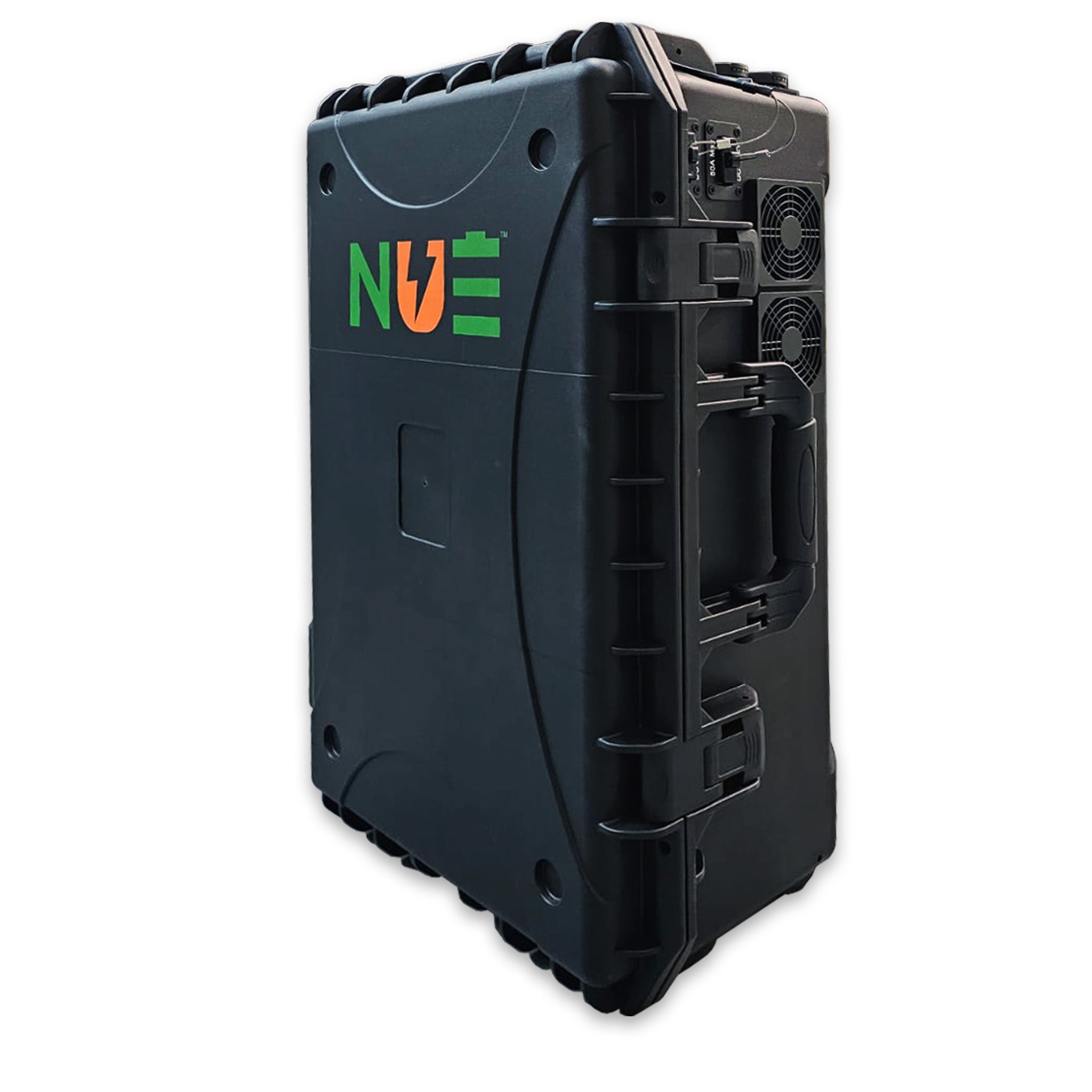
This is where New Use Energy (NUE) revolutionizes the battlefield. By supplying advanced, portable power solutions specifically designed to integrate seamlessly with layered C-UAS architectures, NUE ensures that drone defense networks remain online, mobile, and utterly stealthy. With proprietary solutions like the SunCase series, which boasts a crucial "no thermal detection" advantage, operators can now power sophisticated detection, tracking, and mitigation equipment without compromising their position.


This comprehensive guide explores the architecture of modern C-UAS, the power-hungry mitigation technologies required to secure the airspace, and how New Use Energy is solving the energy bottleneck at the tactical edge to protect warfighters and critical assets.


The challenge of neutralizing these aerial threats is complicated by the sheer diversity of platforms operating in contested airspace. Today's security perimeters must defend against everything from a traditional UAV (Unmanned Aerial Vehicle) to a comprehensively networked UAS (Unmanned Aircraft System). Military doctrine often refers to these as an RPA (Remotely Piloted Aircraft) or an RPAS (Remotely Piloted Aircraft System) to emphasize the human-in-the-loop control element. Whether classified broadly as an uncrewed aircraft, a generic drone, or a fully autonomous robotic aircraft, each platform presents a unique operational challenge. At the strategic level, air defense networks must detect high-flying HALE (High Altitude Long Endurance) and MALE (Medium Altitude Long Endurance) platforms, alongside highly capable TUAV (Tactical Unmanned Aerial Vehicle) assets designed for theater-level strikes. Even an experimental pilotless aircraft or a repurposed commercial pilotless vehicle can critically disrupt operations if not properly identified by agile C-UAS units.


The modern tactical edge, however, is increasingly defined by smaller, highly lethal, and expendable technologies. Operators routinely face the sudden deployment of a heavy-hitting UCAV (Unmanned Combat Aerial Vehicle) or a precision loitering munition, which acts as a hybrid between a cruise missile and an aircraft. These systems, frequently dubbed a kamikaze drone or suicide drone, are explicitly designed to crash into high-value targets to deliver devastating explosive payloads. This threat is exponentially amplified when adversaries coordinate a decentralized drone swarm to overwhelm traditional air defense radars, often utilizing a decoy target drone to exhaust kinetic interceptors. Closer to the ground, security forces must contend with the ubiquitous sUAS / sUAV (Small Unmanned Aircraft System), and incredibly difficult-to-detect micro-UAV / nano-drone platforms that slip through conventional netting to conduct lethal close-quarters espionage.


Long before a kinetic strike occurs, the battlespace is typically mapped by a persistent ISR drone (Intelligence, Surveillance, and Reconnaissance), gathering critical data on troop movements and command nodes. Denying the enemy this visual supremacy requires a constant, active C-UAS perimeter that cannot afford a moment of downtime. This is precisely why the silent, thermal-invisible power supplied by New Use Energy is a tactical imperative. By enabling continuous detection, tracking, and mitigation capabilities across the entire threat spectrum, NUE empowers defense forces to neutralize aerial intrusions without exposing their own positions to counter-battery fire.
How do counter-drone systems detect unauthorized aerial vehicles?

New Use Energy enables effective counter-drone operations in off-grid environments by providing rugged, silent, and high-capacity portable power solutions necessary to support a multi-layered detection strategy involving RF, radar, optical, and acoustic sensors.

SunCase™ 605
$890.00 $990.00
SunCase™ 2425
$3,200.00
SunCase™ 1213
$1,290.00
SunCase™ 3651
$4,900.00
SunCase™ 605
$890.00 $990.00
SunCase™ 2425
$3,200.00
SunCase™ 1213
$1,290.00
SunCase™ 3651
$4,900.00

The Power Bottleneck: Why Traditional Generators Fail

Historically, powering radar stations, command centers, and EW (Electronic Warfare) suites at the tactical edge meant dragging heavy, diesel-powered generators into the field. In the context of modern C-UAS operations, traditional generators are not just inefficient; they are a direct threat to the survival of the operators. The Logistics Tail: Diesel generators require a constant supply of fuel. In a combat zone, fuel convoys are prime targets for enemy attacks. Relying on fuel creates a fragile supply chain. Acoustic Signatures: Small tactical units rely on stealth. A diesel generator produces a loud, continuous noise that can give away a unit’s position from miles away, negating the element of surprise. Vibration and Maintenance: Generators involve moving parts. They vibrate, which can disrupt delicate C-UAS optical sensors, and they require constant maintenance in sandy, dusty, or wet environments. The Ultimate Vulnerability: Thermal Signature. In an era where even cheap commercial drones are equipped with high-resolution thermal cameras, a running generator glows like a flare on an infrared screen. A heat signature immediately draws enemy artillery, mortar fire, or loitering munitions.

What is a Counter-Unmanned Aircraft System (C-UAS)?

A Counter-Unmanned Aircraft System (C-UAS) is a comprehensive network of technologies designed to detect, track, identify, and mitigate malicious or unauthorized drones. These systems protect critical infrastructure, military bases, and personnel from drone-based surveillance and kinetic attacks. A robust C-UAS uses a layered approach, combining radars, optical cameras, and acoustic sensors to detect threats, followed by mitigation tools like radio frequency (RF) jammers, cyber-takeover systems, or directed energy weapons to neutralize the drone.

Why is portable power critical for C-UAS deployed at the tactical edge?

C-UAS equipment requires a massive and continuous supply of clean electricity to run radars, edge computing, and high-energy mitigation tools. At the tactical edge—such as remote outposts or mobile vehicle convoys—grid power is unavailable. Traditional diesel generators are bulky, require constant fuel resupply, and produce loud noises and massive heat signatures that alert the enemy. Portable lithium-based power systems, like those from New Use Energy, provide silent, clean, and reliable off-grid power, enabling true mobility and continuous defense without the logistical nightmare of fuel convoys.

What are the main mitigation technologies used in C-UAS?

C-UAS mitigation is divided into non-kinetic and kinetic methods. Non-kinetic methods include RF Jamming (blocking the signal between the drone and its pilot), Cyber-Takeover (hacking the drone to take control of its flight path), and Directed Energy Weapons like High-Energy Lasers or High-Power Microwaves (which fry the drone's electronics). Kinetic methods involve physically destroying the drone using interceptor drones, nets, or programmable airburst munitions. All of these require robust, high-surge power capacities to operate effectively.

What is the "thermal signature" vulnerability of traditional generators in combat?

Modern adversaries heavily utilize thermal imaging (infrared) cameras mounted on drones to find targets at night or through camouflage. A traditional gas or diesel generator emits extreme heat from its engine and exhaust. On a thermal camera, this heat glows brightly against the cool background of the earth, instantly giving away a unit's position. This makes the generator, and the C-UAS equipment it powers, a prime target for artillery or suicide drone strikes.

How does the New Use Energy SunCase protect operators from thermal detection?

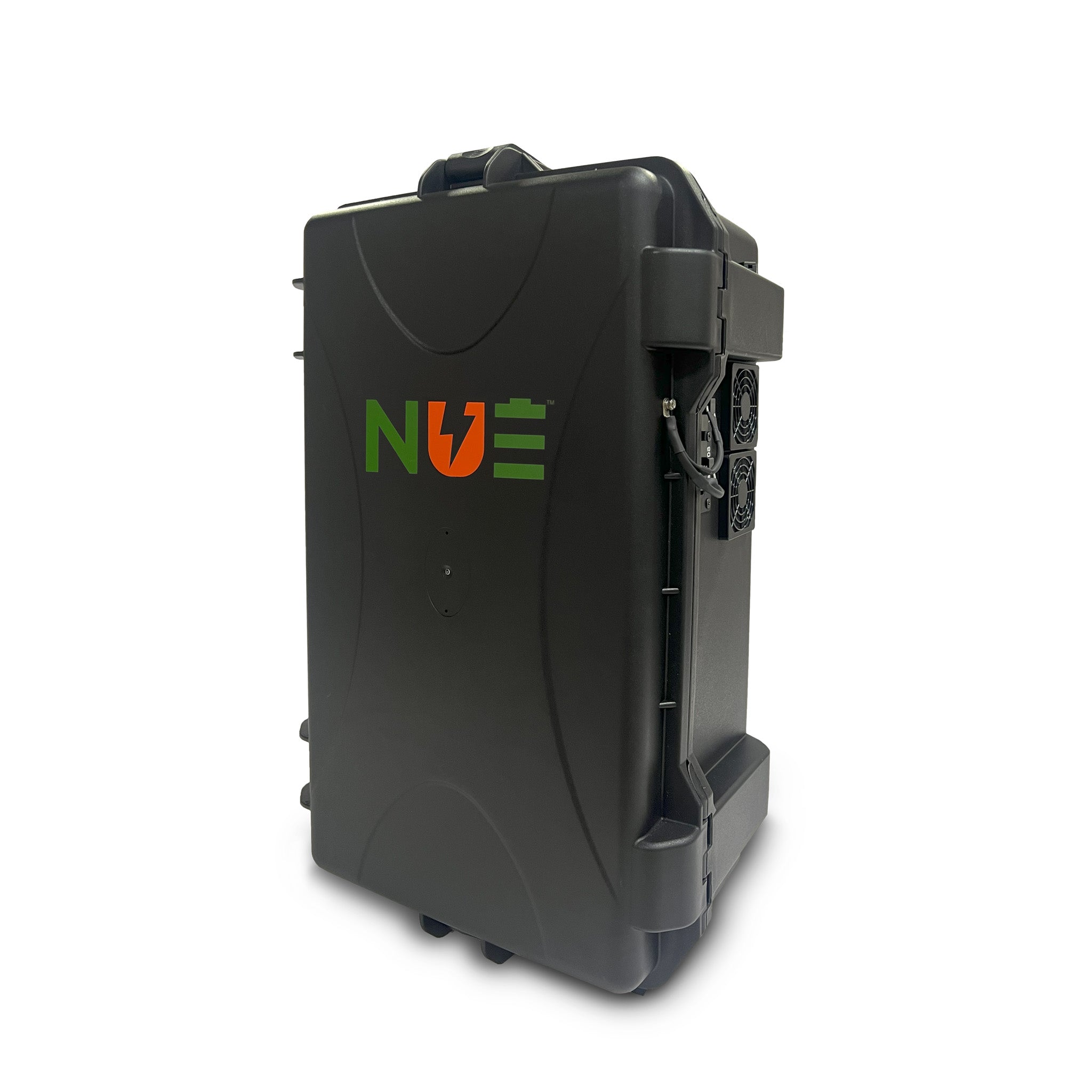
The New Use Energy (NUE) SunCase series is a highly portable, solar-integrated lithium battery system built into a rugged transit case. Unlike combustion generators, the SunCase uses solid-state electronics and advanced passive cooling. It operates silently and produces virtually zero heat emissions. Because it matches the ambient temperature of its surroundings, it offers a "no thermal detection" advantage. Enemy drones utilizing FLIR or thermal optics cannot detect the power source, allowing operators to run their C-UAS equipment in complete stealth.

Can New Use Energy SunCase power heavy-draw C-UAS equipment like Directed Energy Weapons (DEW)?

Yes. While continuous heavy-draw applications like high-power microwaves (HPM) or lasers require immense energy, advanced lithium iron phosphate (LiFePO4) systems provided by NUE can be scaled and linked to provide the necessary high-discharge bursts of clean energy required by these advanced mitigation technologies, free from the voltage drops commonly associated with legacy mechanical generators.

How does solar integration improve C-UAS operations?

By integrating portable, ruggedized solar panels with systems like the NUESolar, tactical units can harvest energy indefinitely. This creates persistent operational capability for C-UAS radars and jammers without ever needing a fuel drop, making the unit completely self-sustaining in hostile or remote environments.

Future-Proofing Airspace Security

New Use Energy (NUE): Empowering the Tactical Edge

To solve the power bottleneck, New Use Energy (NUE) provides next-generation portable power solutions tailored specifically for military, government, and security applications. NUE’s systems replace legacy generators with silent, clean, and highly mobile lithium iron phosphate (LiFePO4) energy storage systems and portable solar arrays.


When integrating with C-UAS networks, NUE's solutions offer several unparalleled advantages:


Mobility for the Modern Warfighter

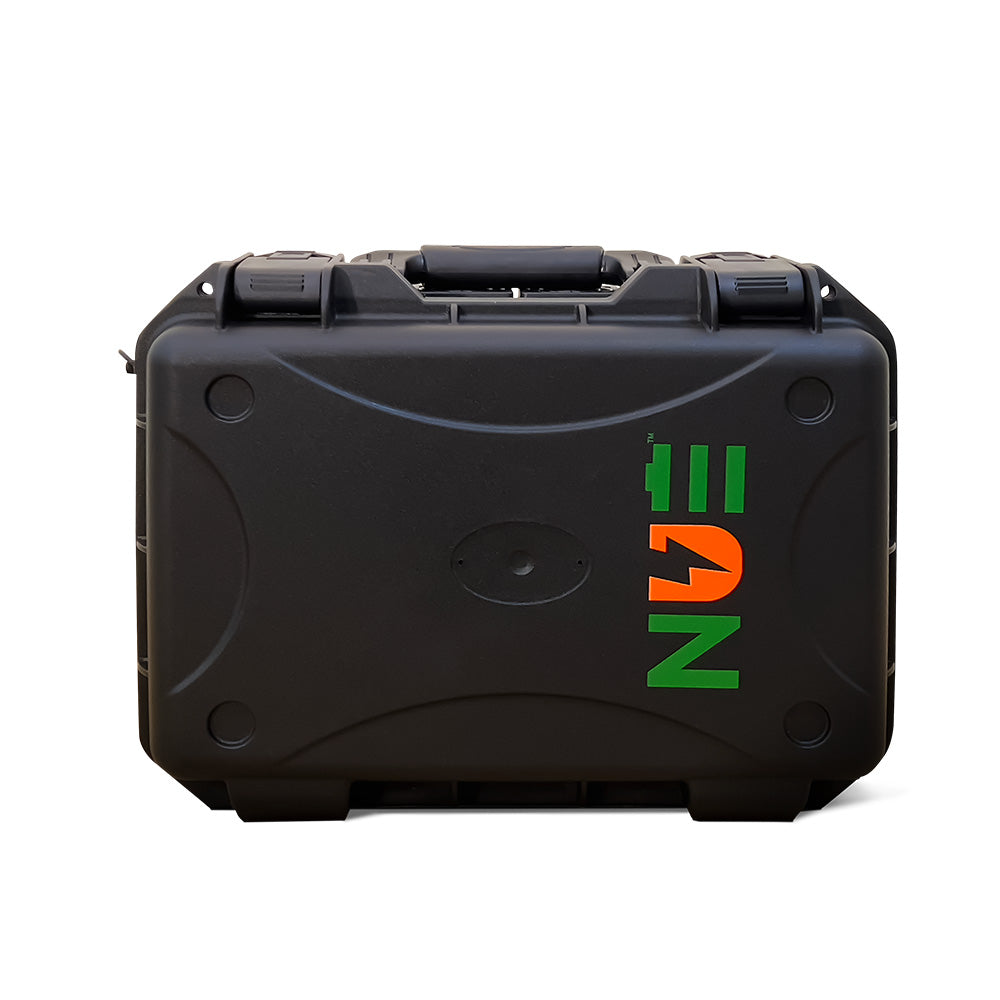
Modern C-UAS systems are increasingly mobile. They are mounted on MRAPs (Mine-Resistant Ambush Protected vehicles), ATVs, or carried in man-packable configurations by infantry. NUE’s power systems are engineered for this exact reality. Housed in ruggedized, military-spec Pelican cases, NUE systems are lightweight, drop-proof, and weather-resistant. They can be rapidly deployed in minutes, allowing a tactical unit to set up a drone defense perimeter anywhere on earth, from a remote desert outpost to an urban rooftop.


Clean, Uninterruptible Power

Electronic warfare suites, AES radars, and edge-computing servers are highly sensitive to power fluctuations. Traditional generators produce "dirty" power with voltage spikes and drops. NUE’s advanced inverters supply pure sine wave electricity, ensuring that the delicate microprocessors inside C-UAS mitigation equipment function flawlessly without crashing or rebooting at critical moments.


Sustainable and Persistent Operations

Through the integration of ruggedized, deployable solar panels, NUE systems can harvest energy indefinitely. In a remote location where fuel resupply is impossible, an NUE power station paired with solar allows a C-UAS radar and jamming system to operate persistently, 24/7, indefinitely holding the airspace secure.


The SunCase Series: The "No Thermal Detection" Advantage

The crown jewel of New Use Energy’s military portfolio for C-UAS integration is the SunCase Series. The SunCase is a highly portable, fully integrated solar generator and lithium battery system built directly into a crush-proof, waterproof transit case.

While its durability and energy density are world-class, its most critical tactical advantage is Stealth: The SunCase operates with virtually zero thermal signature.


Why Thermal Invisibility Matters

In contemporary conflicts, the airspace is saturated with enemy ISR (Intelligence, Surveillance, and Reconnaissance) drones equipped with FLIR (Forward-Looking Infrared) cameras. These cameras do not see light; they see heat.

When a tactical unit sets up a C-UAS node to protect a forward operating base, deploying a standard internal combustion generator instantly creates a bright white "hot spot" on an enemy drone operator's screen. Once that heat signature is detected, the enemy knows exactly where the C-UAS system is located and can coordinate an artillery strike or a drone swarm attack to destroy the defense node. The generator effectively paints a bullseye on the warfighters.


How the SunCase Achieves Thermal Stealth

The SunCase series leverages advanced, solid-state LiFePO4 battery chemistry and high-efficiency power electronics.


  • No Combustion: Because there is no internal combustion, there is no exhaust pipe blasting 400-degree heat into the surrounding environment.
  • Advanced Thermal Management: The internal heat sinks and passive cooling architecture inside the SunCase ensure that the minimal heat generated by the inverters is dissipated evenly.
  • Ambient Temperature Blending: From the outside, the SunCase case matches the ambient temperature of its environment. If an enemy drone flies overhead with a thermal camera, the SunCase blends perfectly into the background of the earth, rock, or vegetation.

By utilizing the SunCase series, a military unit can deploy a fully operational C-UAS radar and RF jamming suite in complete thermal and acoustic silence. The enemy cannot hear the power source, and they cannot see it on infrared. This "no thermal detection" advantage vastly increases the survivability of the C-UAS equipment and, most importantly, the lives of the operators manning the station.