Portable Power for Emergency Management and Disaster Relief

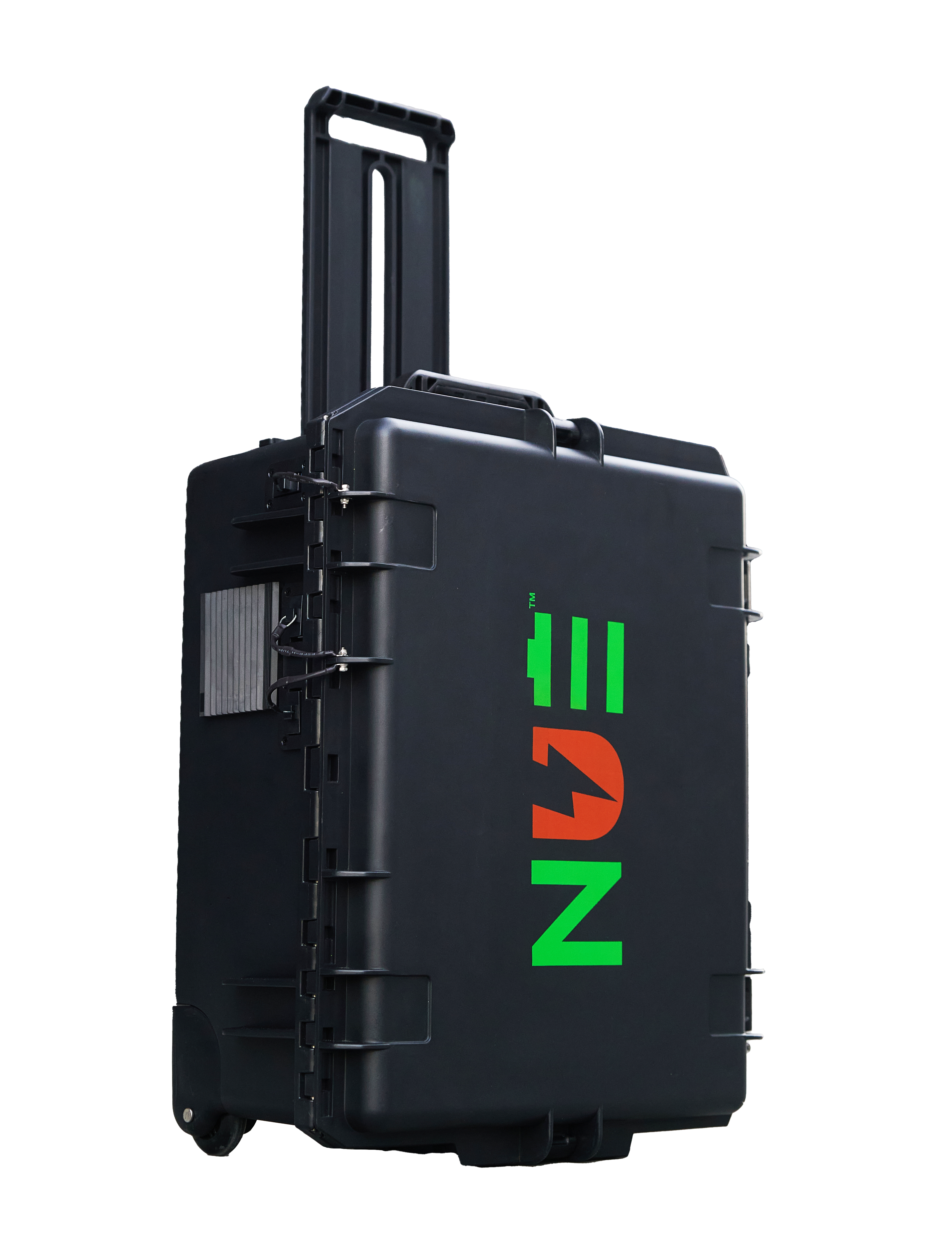
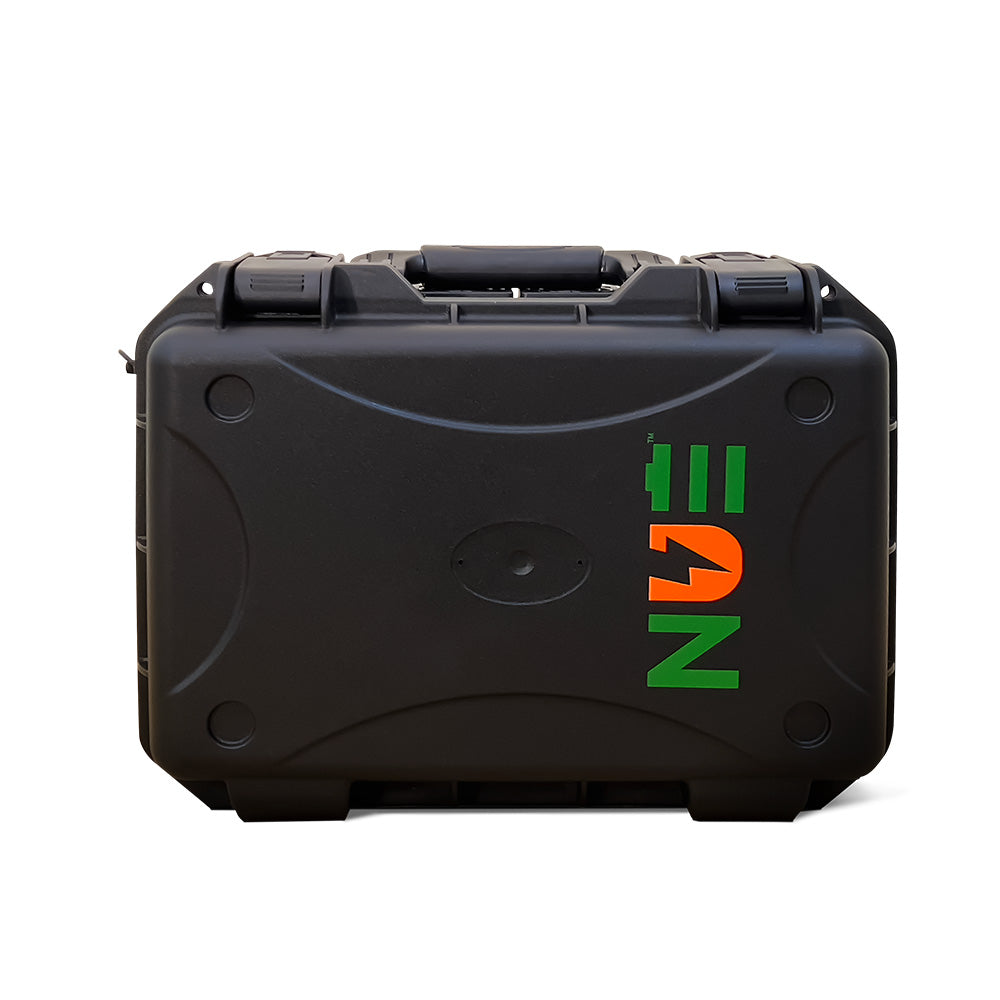
New Use Energy (NUE) provides critical portable solar and battery storage solutions tailored to the immediate and long-term power needs of communities affected by natural disasters and other catastrophic events. Our mission is to ensure that first responders, relief organizations, and recovering communities have access to clean, reliable, and deployable power when and where they need it most. Our flagship SunCaseâ„¢ series is specifically engineered for the demanding environment of disaster relief, offering a critical advantage over traditional fossil fuel-based generators by
eliminating noise, emissions, and complex fuel logistics.

The First 2-Weeks - Immediate Relief Stage

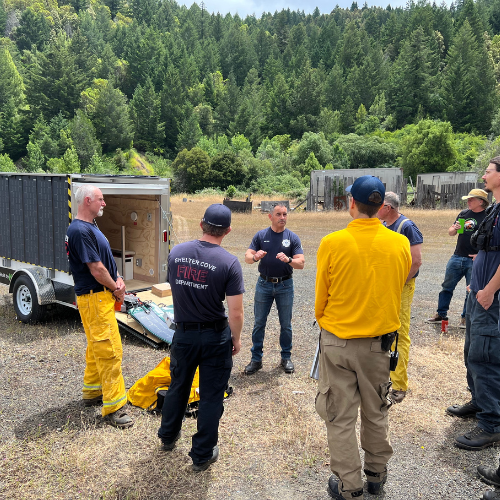
The initial 14 days following a disaster are defined by immediate survival, search and rescue, and establishing basic communications. In this critical phase, the SunCase's speed of deployment and logistical simplicity are paramount. First responders rely on dependable, quantifiable power resources. The SunCaseâ„¢ models preferred by the Emergency Management (EM) community offer an optimal balance of capacity, portability, and rugged design.

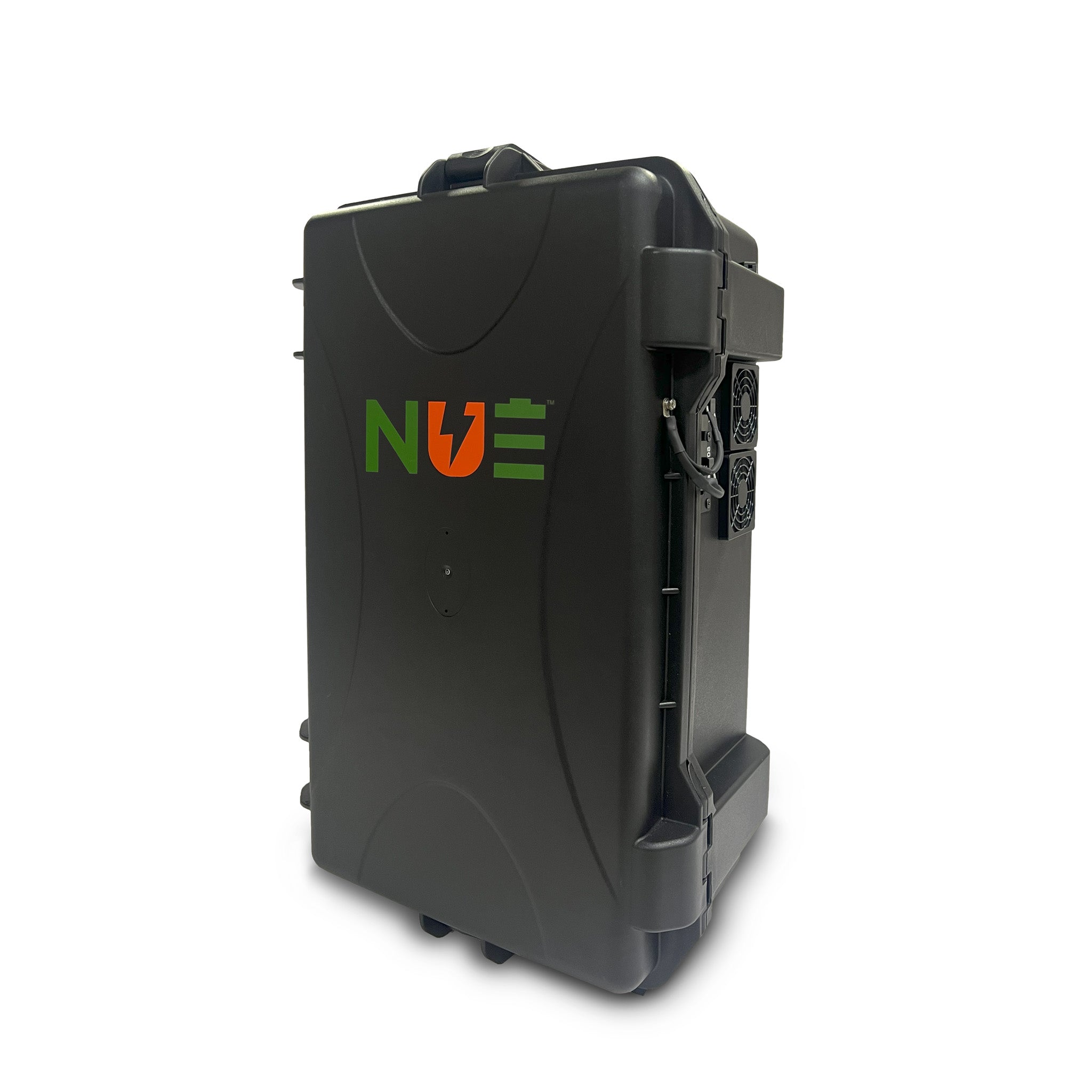
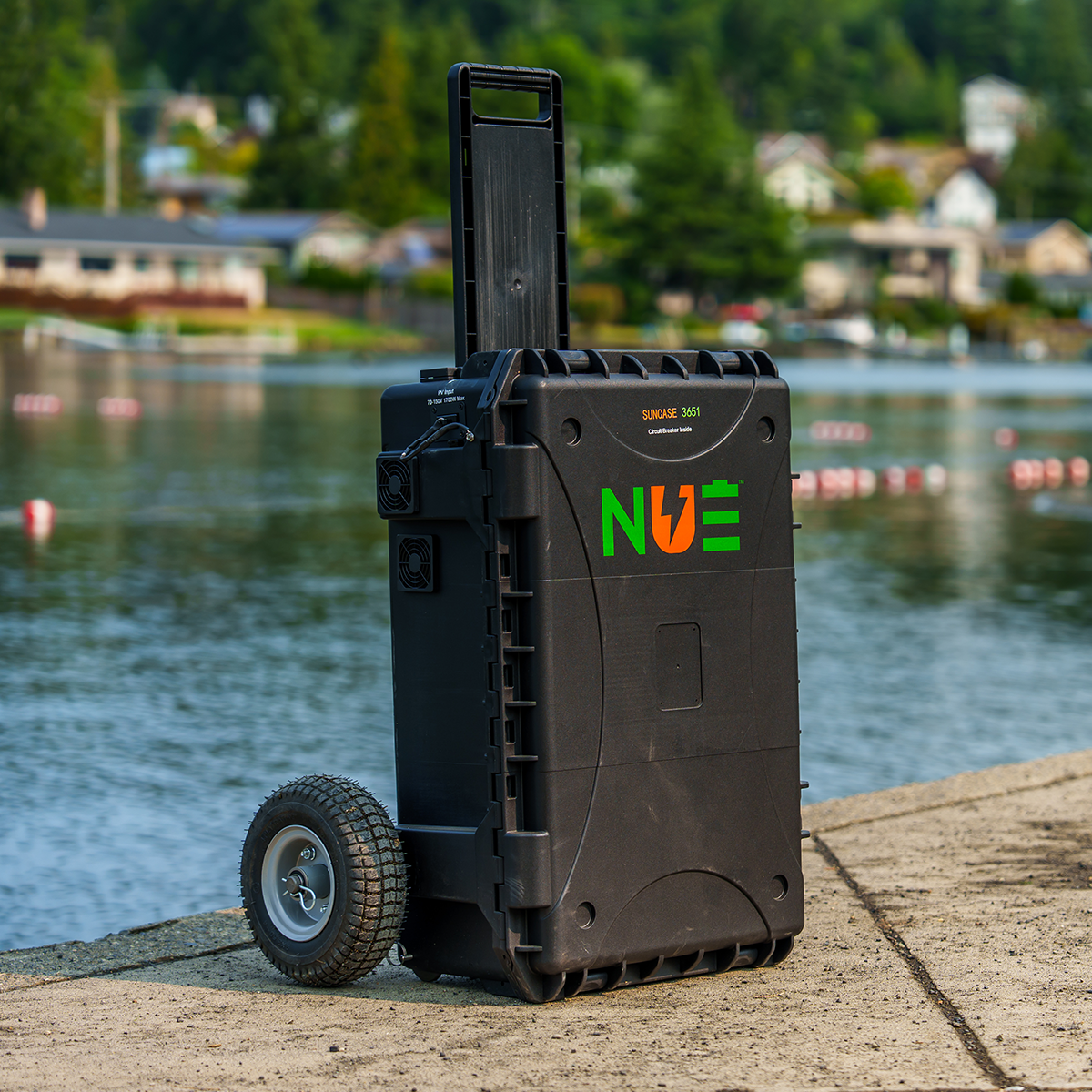
SunCaseâ„¢ 3651
$4,900.00
SunCaseâ„¢ 605
$890.00 $990.00
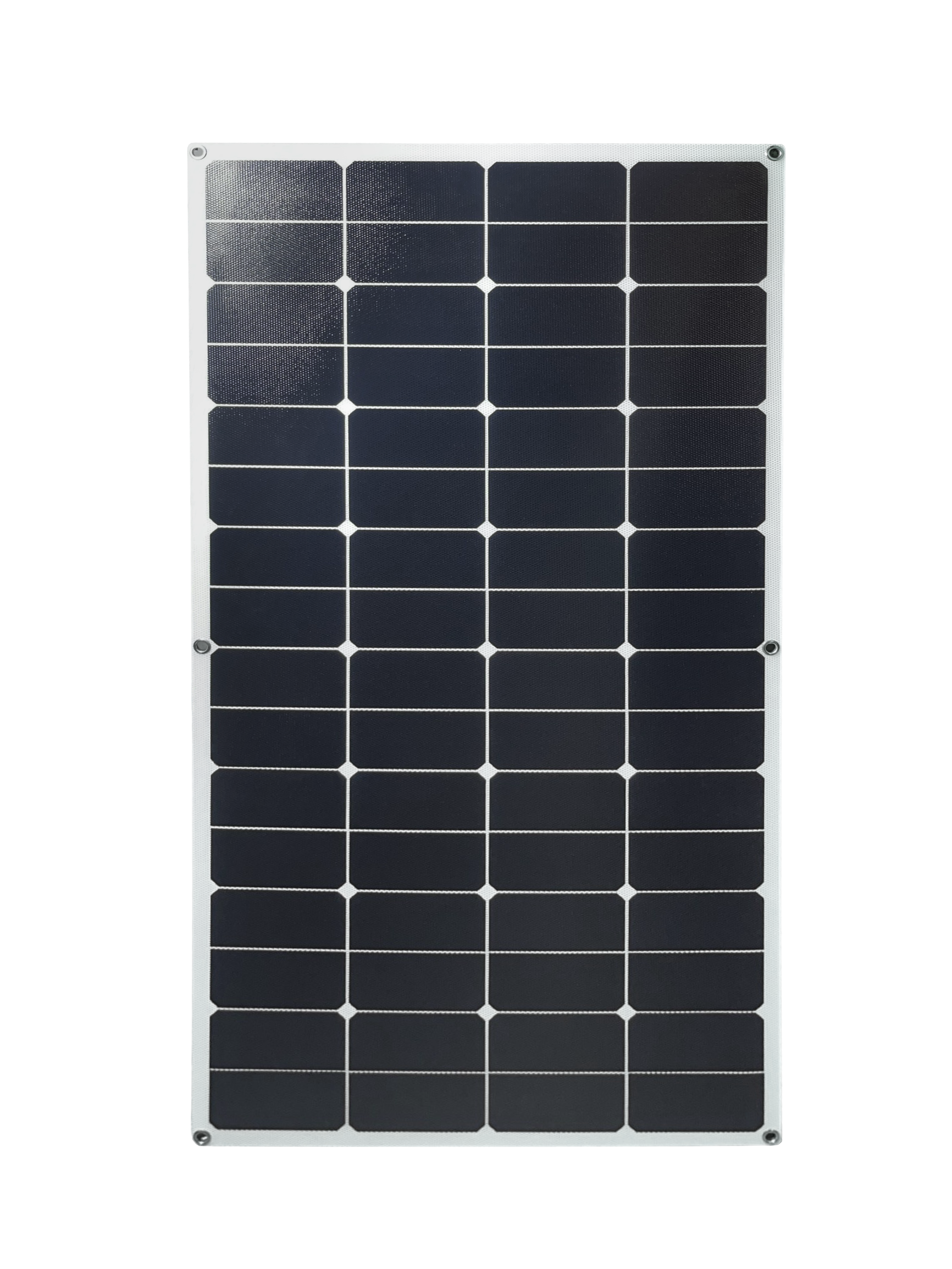
NUESolarâ„¢ 120W Panel
$330.00
SunCaseâ„¢ 3651
$4,900.00
SunCaseâ„¢ 605
$890.00 $990.00
NUESolarâ„¢ 120W Panel
$330.00
SunCaseâ„¢ 2425
$3,200.00

The Operational Power Equation (Capacity vs. Resource)

Just as traditional generator users calculate runtime based on a finite fuel tank, SunCaseâ„¢ operators must manage two core resources: the internal battery capacity and the solar resource (i.e., available peak sun hours). This predictability allows responders to confidently allocate power to mission-critical devices.


Top 3 Critical Devices Powered in the First 48 Hours:

In the immediate aftermath of a disaster, power must be dedicated to core functions that save lives and enable coordination:


  1. Communications: Powering essential communication links is the highest priority. This includes high-bandwidth satellite terminals (e.g., Starlink), cellular-on-wheels (COW) systems, LoRa networks, and high-volume cell phone charging stations for survivors and personnel.
  2. Lighting: Reliable, powerful, and safe lighting is essential for nighttime search & rescue operations, establishing secure perimeter areas, and enabling 24-hour operational tempo for relief teams.
  3. Medical Devices: The SunCaseâ„¢ is used to sustain vital medical functions, including powering CPAP machines, oxygen concentrators, and portable dialysis units until grid power or larger medical facilities are restored. Additionally, it maintains the cold chain for critical vaccines and temperature-sensitive medical supplies.

The Recovery & Rebuild Stage (Long-Term)

Base-Camp Operations

The core value proposition of the SunCaseâ„¢ in the recovery phase is its ability to provide portable, meaningful power for extended periods in remote or highly mobile locations.

Clean-up & Repair

Capable of powering standard power tools, specialized lighting for debris removal, and essential electronic devices (laptops, scanners) used in damage assessment.

Battery Cycle Life

The system's lifespan is directly linked to its high-quality Lithium-Iron-Phosphate (LiFePO4) battery cells, which offer an excellent cycle rating (number of charge/discharge cycles) for prolonged, heavy-duty use over many years.

Design for Serviceability

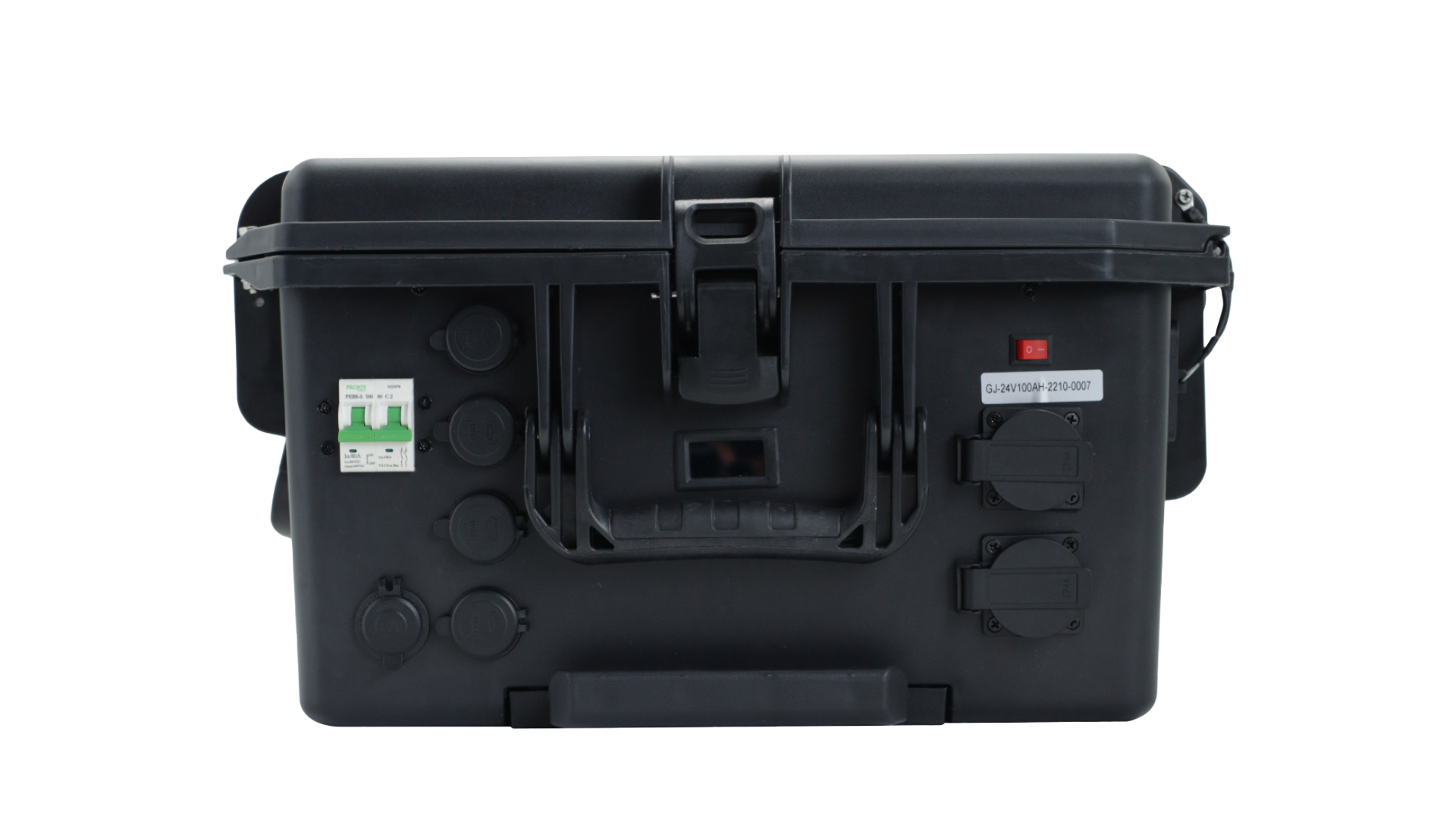
Unlike many consumer-oriented products, a critical design element of the SunCaseâ„¢ is its ability to be repaired and serviced. Key components, such as the solar charge controller and Battery Management System (BMS), are designed for easy replacement or repair.

Total Cost of Ownership - Beyond Purchase Price

Procurement teams evaluating emergency power solutions often focus on initial acquisition cost, but total cost of ownership tells the complete financial story. A traditional 5kW portable generator might cost $800-1,200 initially, appearing less expensive than SunCase™ systems. However, operational costs accumulate rapidly throughout the equipment lifecycle. Fuel represents the largest ongoing expense. At $4 per gallon, a generator consuming 8 gallons daily costs $32 per operational day—$224 per week, nearly $1,000 monthly in extended operations. A single hurricane season deployment can exceed the generator's purchase price in fuel costs alone. Multi-year ownership drives fuel expenses into thousands of dollars, with price volatility creating budget unpredictability.

Best portable power stations for disaster relief?

Natural disasters, grid failures, and extended emergency operations expose a fundamental weakness in traditional response capabilities. The SunCase™ addresses these critical vulnerabilities by eliminating fuel dependency and toxic emissions while maintaining the portability and power output emergency operations demand. This isn't just an upgrade—it's a fundamental reimagining of field power for the 21st century emergency landscape.

How to choose a reliable portable power source for emergency use?

This isn't about adopting unproven technology—it's about embracing mature solar and battery systems that have demonstrated reliable performance in demanding applications worldwide. Military operations, remote industrial sites, and disaster responses have validated the technology. The question isn't whether solar generators work; it's whether your organization will lead or follow in adopting next-generation capability.

Portable power devices compatible with medical equipment during outages?

Medical facility procurement teams share a common mandate: provide responders with the best possible tools to save lives and protect communities. SunCase™ delivers on that mandate with proven technology, superior operational capability, and compelling economic value. The transition to next-generation emergency power begins with a decision—make that decision today and position your organization at the forefront of emergency response innovation.

Portable power options with fast recharge for emergency situations?

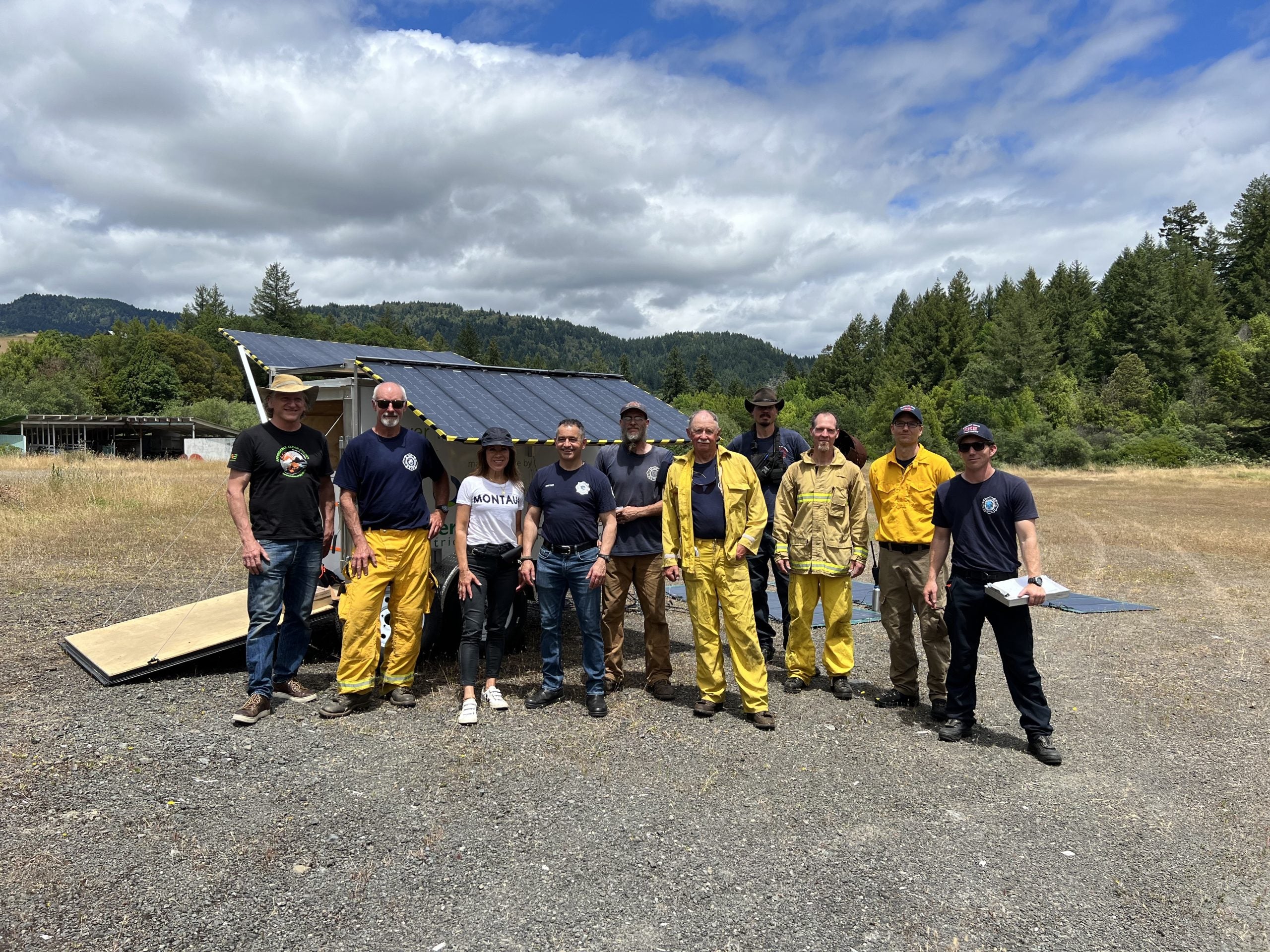
The SunCaseâ„¢ solar array provides true energy independence. Deployed solar panels capture sunlight and convert it directly to electrical power storage, creating a self-sufficient power generation cycle that operates indefinitely without external supply chains. Morning sun begins charging. By midday, battery reserves replenish. Afternoon and evening operations draw from stored capacity while solar collection continues until sunset. The next morning, the cycle begins again. No fuel trucks. No procurement coordination. No supply chain vulnerability.

Best portable power solutions for charging communication devices in emergencies?

Radio communications, telephone coordination, and face-to-face briefings proceed normally with SunCaseâ„¢ operation. Emergency managers maintain complete situational awareness without shouting over generator noise or relocating communications equipment away from power sources.

How Mobile, Rapidly Deployable Solar+Battery Systems Played a Role after the Maui Wildfires

In early August 2023, a series of wildfires broke out in the U.S. state of Hawaii, predominantly on the island of Maui.

Play now

Emergency Management Articles

NUE Saving Lives with Field Hospital Communications
Read More
Andy Morris January 14, 2025
NUE Saving Lives with Field Hospital Communications

LOCATION Frontlines in Ukraine NUE Product Solution SunCase 2025 Market Emergency Management, Military NUE...

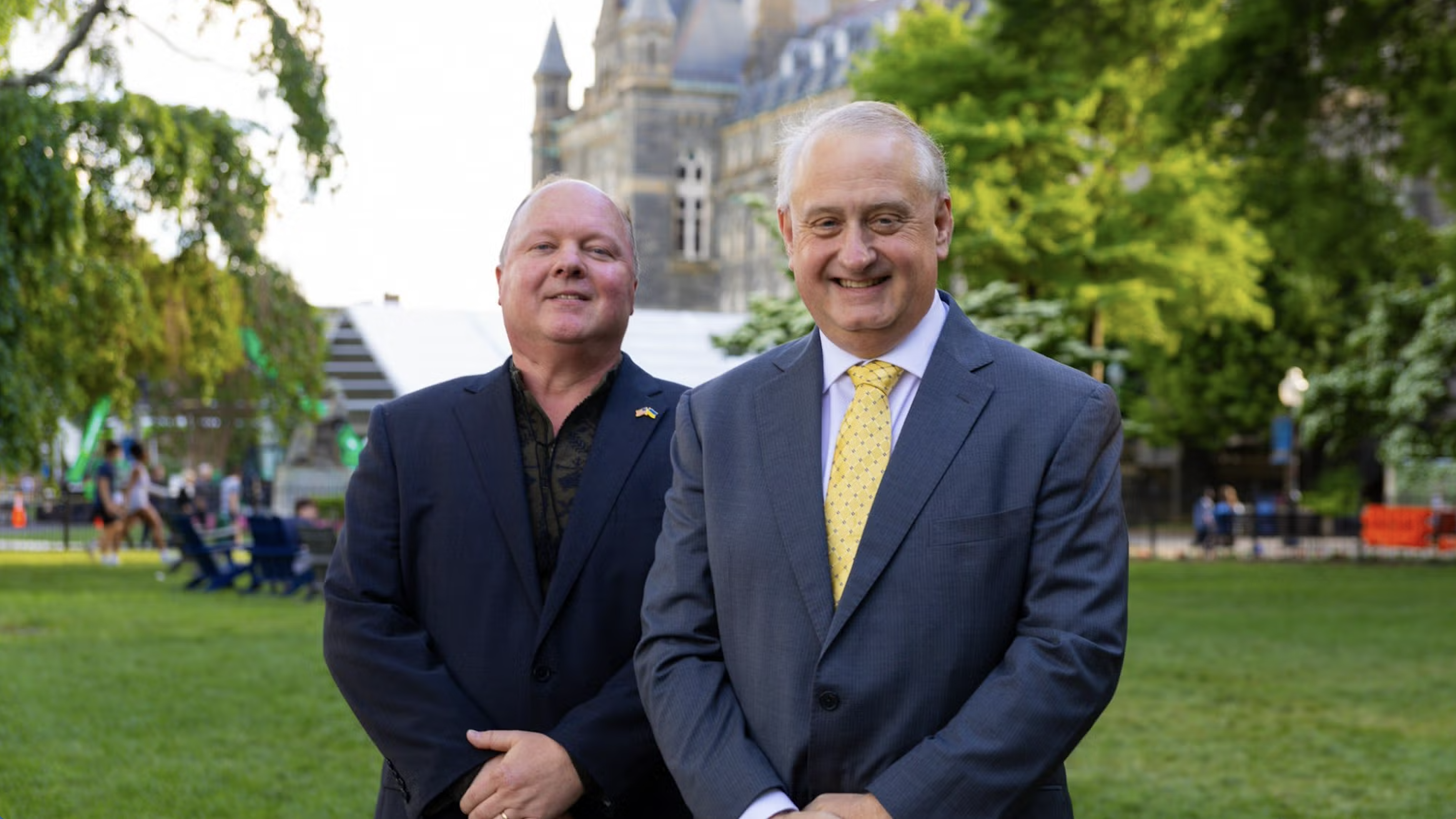
NUE's Humanitarian Impact in Ukraine (Georgetown Alumni Collaboration)
Read More
Paul Shmotolohka May 19, 2025
NUE's Humanitarian Impact in Ukraine (Georgetown Alumni Collaboration)

Article Here   This article from Georgetown University highlights the impactful humanitarian work being...

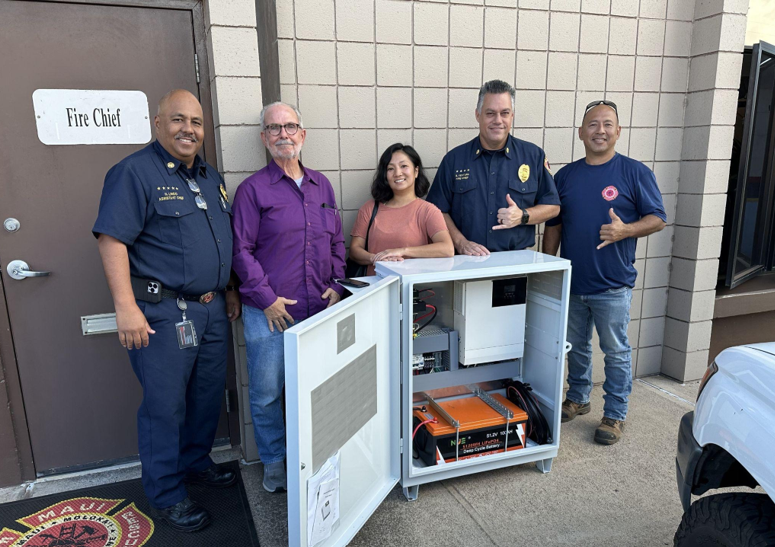
Maui Emergency Services: From Relief to Resilience
Read More
Andy Morris June 28, 2024
Maui Emergency Services: From Relief to Resilience

LOCATION Maui, Hawaii, USA NUE Product Solution SunKit 5050 EXTPowerPac 1212 Market Emergency Management...

vendor SunCaseâ„¢ In stock
SunCaseâ„¢ 3651
From $4,900.00
vendor SunCaseâ„¢ In stock
SunCaseâ„¢ 2425
From $3,200.00
SunCaseâ„¢ 2025
Sale
vendor Final Stock Reduction In stock
SunCaseâ„¢ 2025
From $2,500.00 $3,200.00 21% Off
SunCaseâ„¢ 605
Sale
vendor First-Run Special In stock
SunCaseâ„¢ 605
$890.00 $990.00 10% Off

Deploy SunCaseâ„¢ for Next-Generation Emergency Response

Emergency management leadership faces an increasingly complex operational environment. Climate change intensifies storm frequency and severity. Aging infrastructure increases vulnerability to cascading failures. Evolving threats require more sophisticated response capabilities. In this challenging landscape, equipment procurement decisions carry strategic weight—the tools we deploy today determine our effectiveness tomorrow.


The evidence supports a clear conclusion: SunCaseâ„¢ portable solar generators represent the future of emergency power operations. Procurement teams should prioritize SunCaseâ„¢ acquisition for new emergency response capabilities, replacing aging gas generator inventory with superior solar technology, and standardizing around zero-emission power systems that deliver tactical advantages in every operational scenario.


This isn't about adopting unproven technology—it's about embracing mature solar and battery systems that have demonstrated reliable performance in demanding applications worldwide. Military operations, remote industrial sites, and disaster responses have validated the technology. The question isn't whether solar generators work; it's whether your organization will lead or follow in adopting next-generation capability.

How can we help you?

Complete the form below to speak with one of our portable power experts.