Portable Power Station

Sort by
Sort by Most relevant
11 products
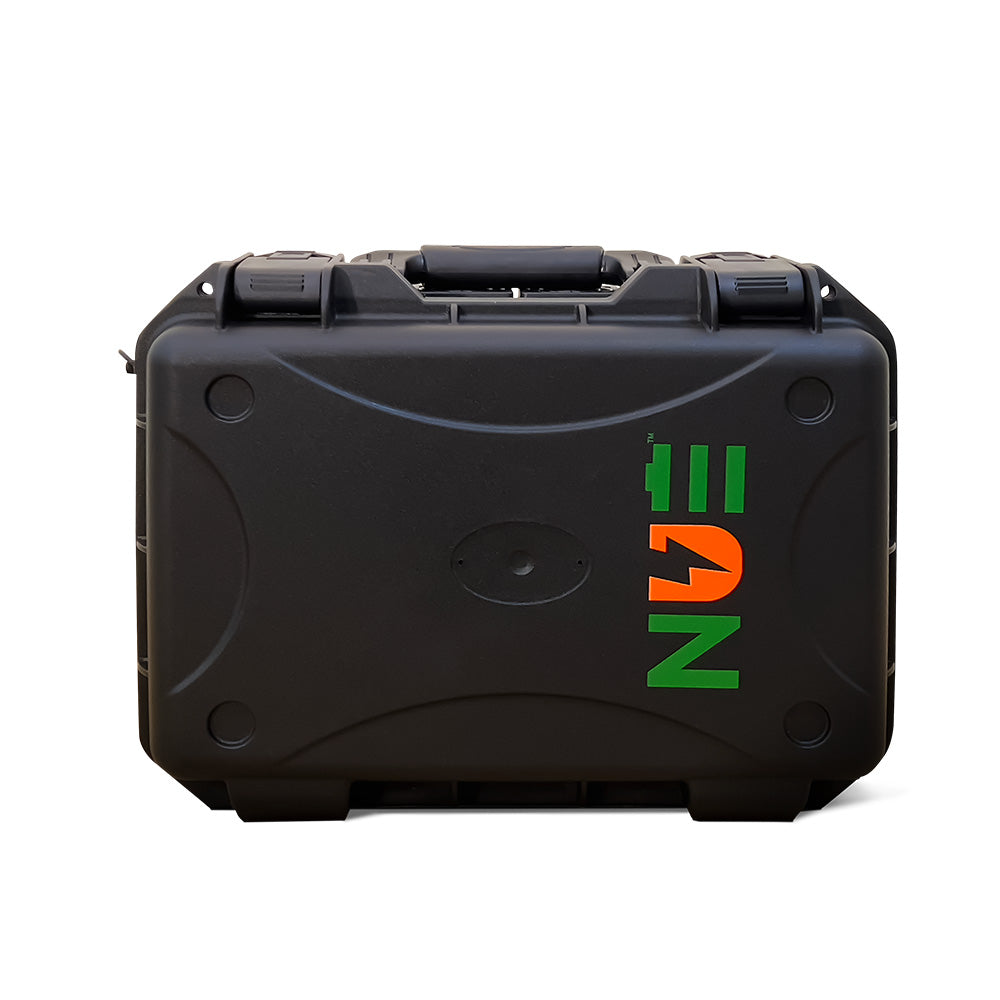
SunCase™ 605
Sale
vendor First-Run Special In stock
SunCase™ 605
$890.00 $990.00 10% Off
vendor SunCase™ In stock
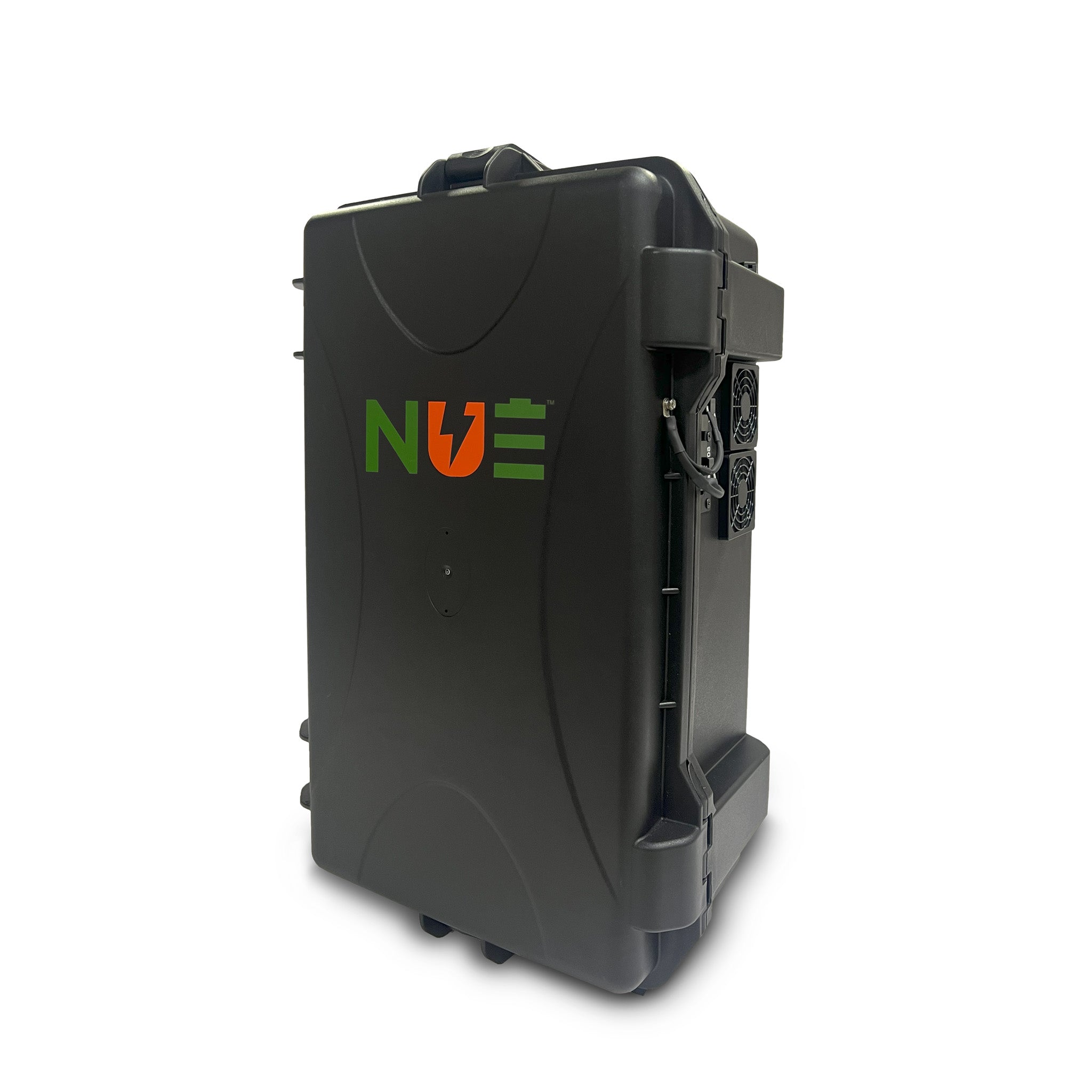
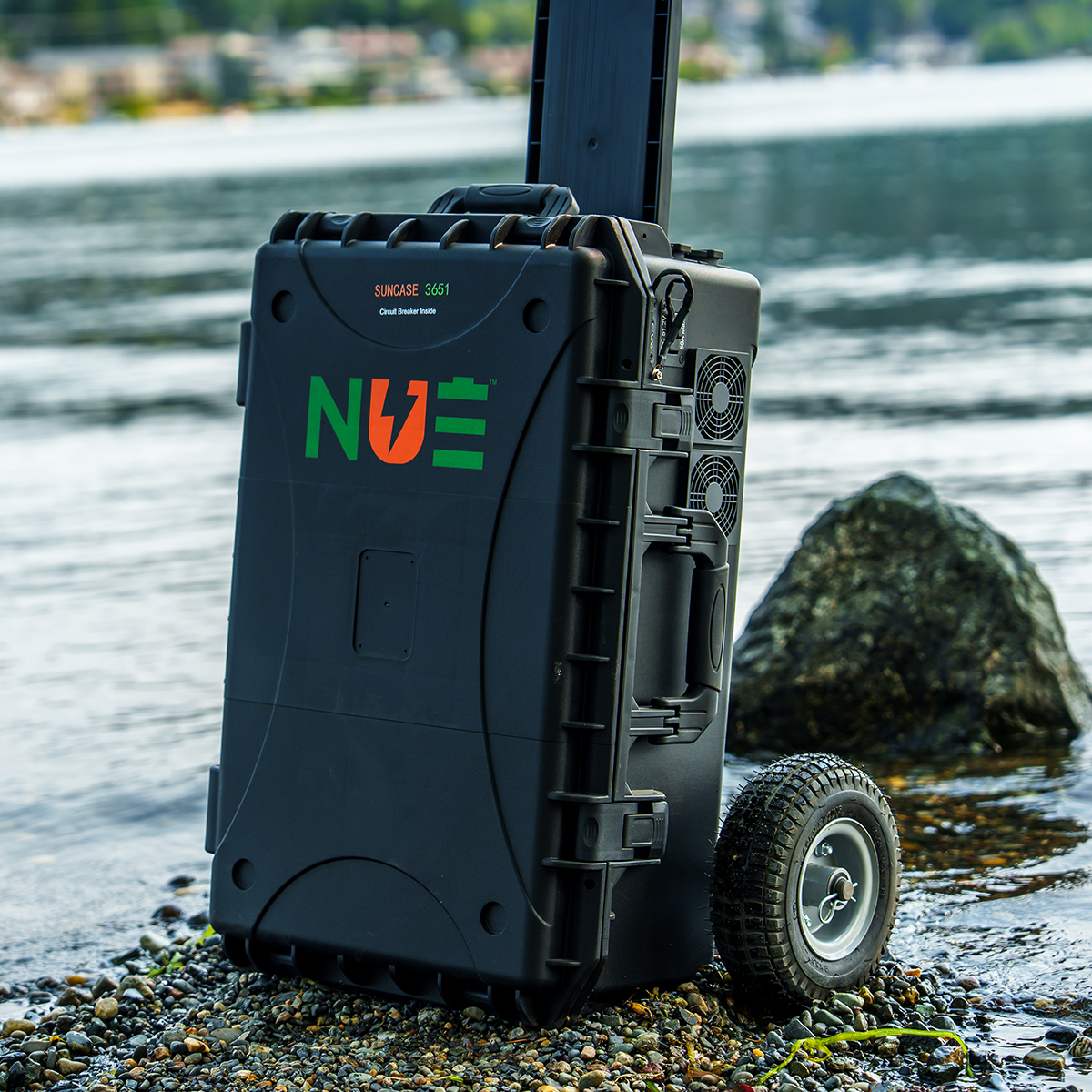
SunCase™ 3651
From $4,900.00
vendor SunCase™ In stock
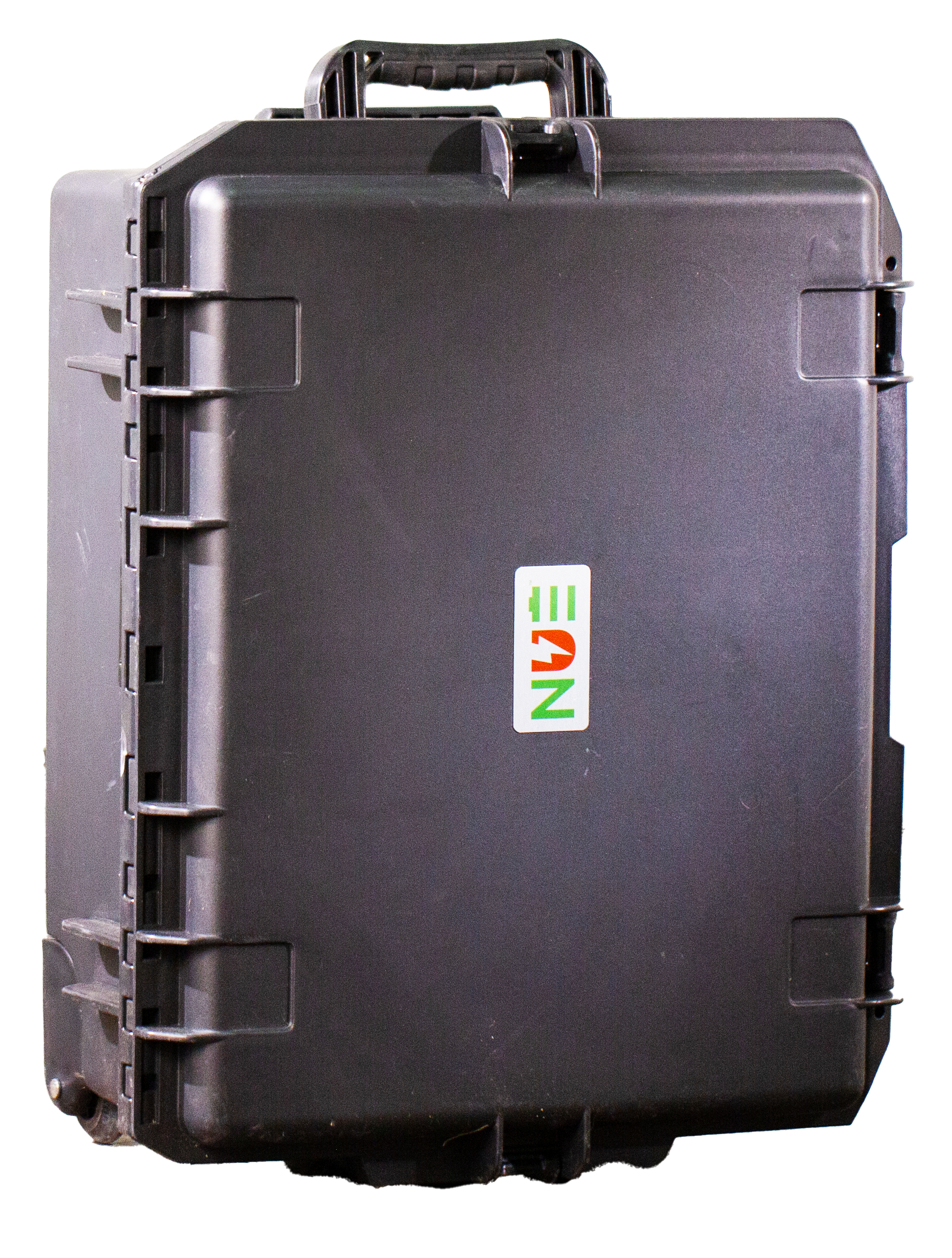
SunCase™ 2425
From $3,200.00
vendor New Use Energy In stock
NUE 24V Battery Generator
$3,100.00
vendor New Use Energy In stock (59 units)
SunStealth 605 Backpack
$899.00
vendor New Use Energy In stock (18 units)
Tactical Drone Operator Rucksack (TDOR)
$699.00
vendor SunCase™ In stock (30 units)
SunCase™ 1213
$1,390.00
vendor New Use Energy In stock (25 units)
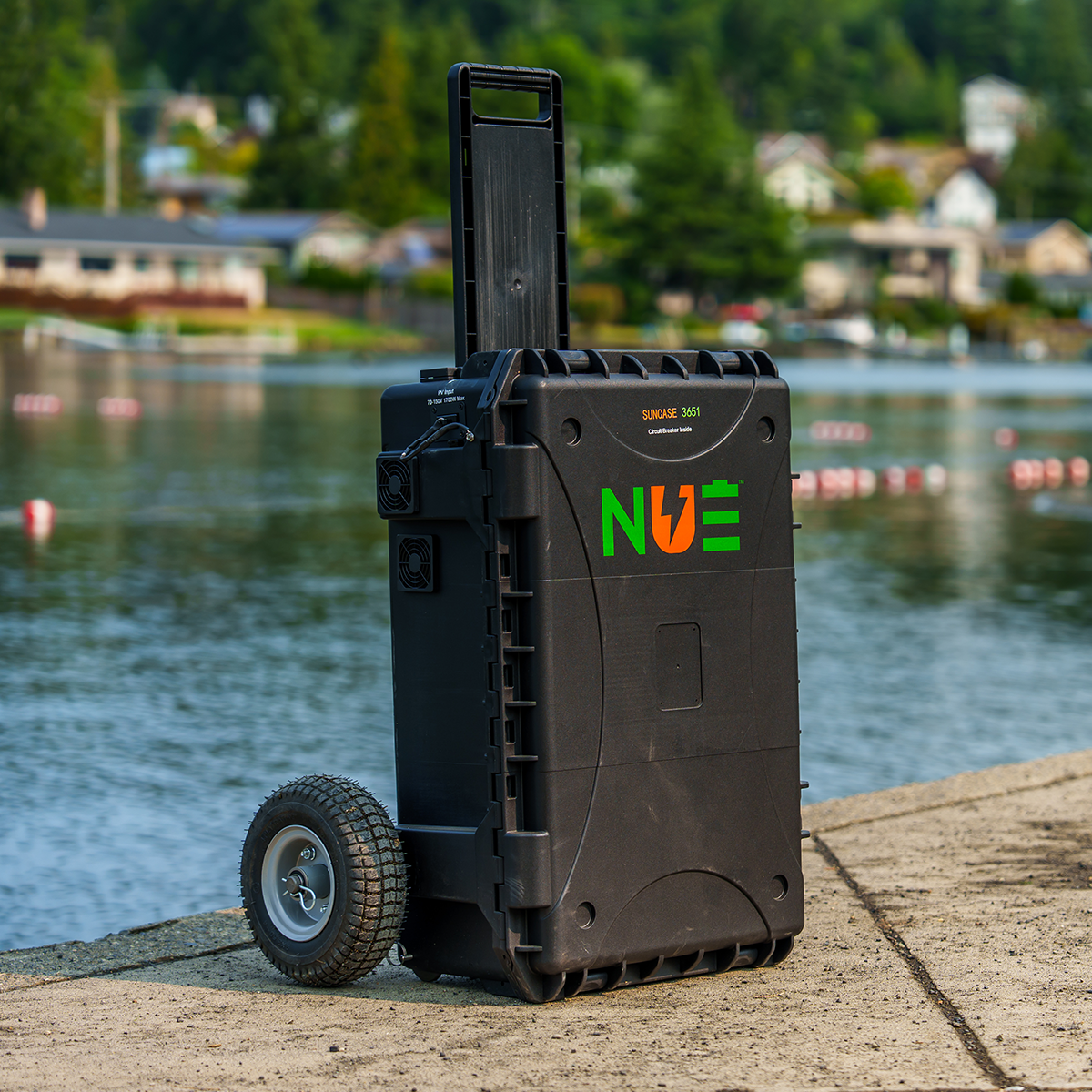
NUE SunCase™ 3651 Off-Road Big Wheel Kit
$550.00
vendor New Use Energy In stock
48V CINE Battery Generator
From $3,300.00
vendor New Use Energy In stock
NUE 36V Battery Generator
From $2,800.00
vendor New Use Energy In stock
NUE 48V Battery Generator
From $2,800.00

Portable Power Stations  /  The SunCase™ Line

A generator you can
carry, and nobody hears.

A portable power station is a sealed lithium battery, an inverter and a charger in one case — wall power without the wall. The SunCase™ line runs from 537Wh to 5.12 kWh, delivering 600W to 3,600W of pure sine wave AC from a rugged, weather-resistant case that recharges from a wall outlet, a solar panel, or a vehicle. No fuel, no exhaust, no noise, no permit to run it indoors. Field-proven LiFePO4, MIL-STD-810 tested, built for people whose work does not stop when the grid does.

  • 537Wh–5.12kWhFour sizes, one platform
  • 3,600WPeak continuous AC, SunCase 3651
  • 6,000Cycles at 80% DoD
  • 75 min0–100% on AC, SunCase 1213
  • 24 moLimited manufacturer's warranty

What makes a SunCase different from a consumer power station?

01

Built as field equipment

Weather-resistant Pelican-type cases, IP55 sealing on the 605 and 2425, and a MIL-STD-810 tested platform. These are specified for vehicles, rooftops, flight lines and disaster staging areas — not a garage shelf. Low thermal signature matters where being seen matters.

02

LiFePO4 that outlives the job

Lithium iron phosphate prismatic cells rated for 6,000 cycles at 80% depth of discharge — roughly a decade of daily use, where a consumer NMC pack fades in two or three years. Discharge rated from −4°F to 140°F. UN38.3, UL1973 and CSA certified cells.

03

Recharges as fast as you work

The 1213 goes 0–100% on a wall outlet in 75 minutes, or under 90 minutes on solar. The 2425 and 3651 carry a 1,650W internal charger and MPPT solar input, and accept AC and solar at the same time. One lunch break is a full pack.

Which SunCase size do you actually need?

Size to your heaviest continuous load first, then to the hours you need. Running out of watts stops the job; running out of hours just means charging sooner.

Comparison of New Use Energy SunCase portable power stations
Model Capacity Continuous AC Weight Built for From Link
SunCase™ 605 537 Wh 600W 17.6 lb One-hand carry. Comms, laptops, drone batteries, medical kit $890 Specs →
SunCase™ 1213 1,280 Wh 1,200W 30.9 lb The day-long workhorse. Lighting, Starlink, small tools, camp $1,390 Specs →
SunCase™ 2425 2,560 Wh 2,400W 67 lb One-person carry, 20A AC. Production carts, command posts $3,200 Specs →
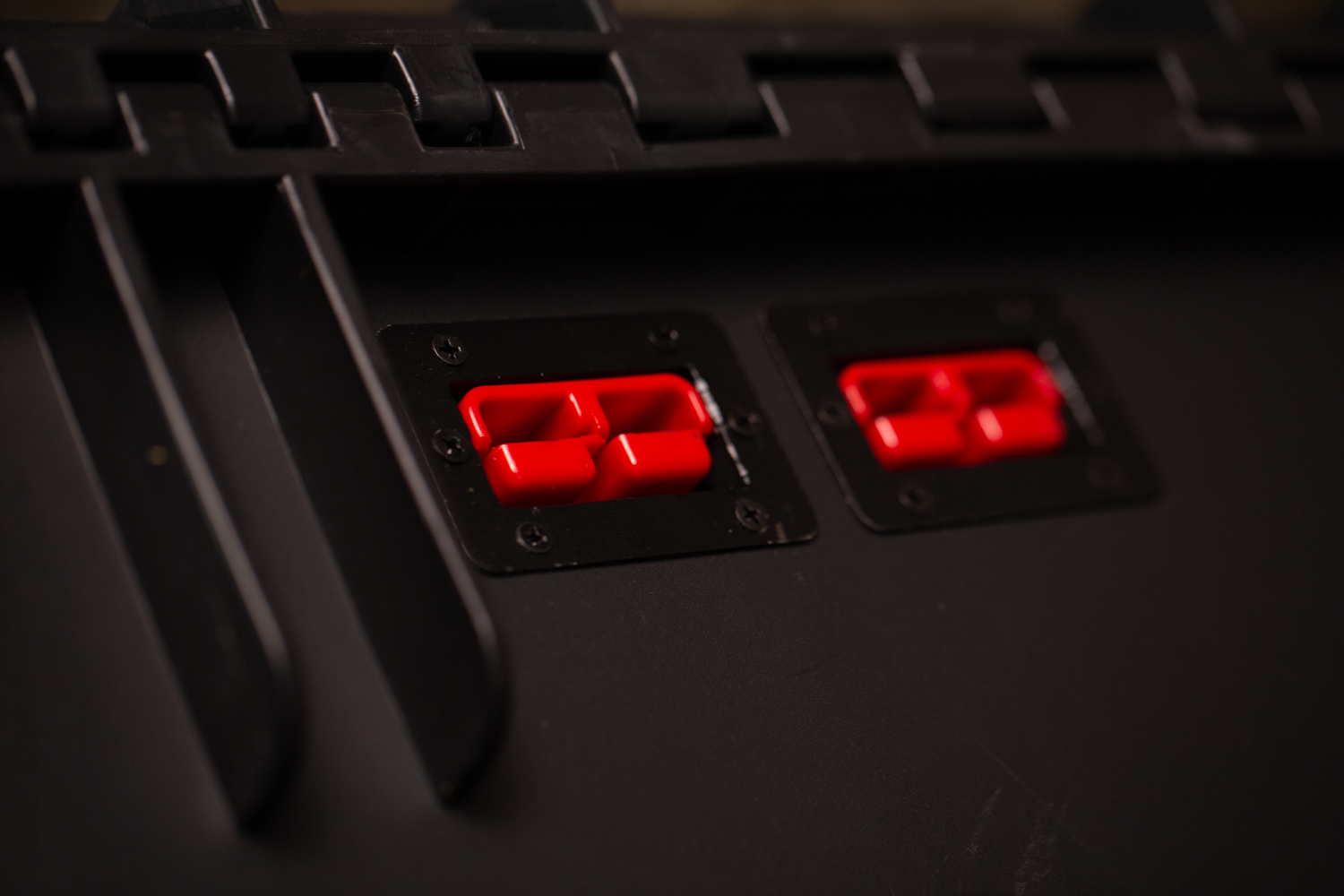
SunCase™ 3651 5,120 Wh 3,600W 123 lb Rolling microgrid. 30A twist-lock, whole-circuit and appliance loads $4,900 Specs →

Every SunCase shares the same core platform: LiFePO4 prismatic cells, 6,000-cycle life at 80% DoD, pure sine wave AC, USB-A and USB-C alongside the AC outlets, solar and AC charging, and a 24-month limited manufacturer's warranty. UN38.3, UL1973, CSA C22.2 and RoHS certified cells. GPS tracking is available as a configured option on the 2425 and 3651.

Where these run

Military & tactical teams

Charge drone and radio batteries at the edge, run a comms relay, keep a medical kit warm — silently, with a low thermal signature. Pair the 605 with the SunStealth backpack or the TDOR rucksack and the power moves with the team.

Film & television production

No generator on the sound take and no cable run to the truck. The 2425 and 3651 carry lighting, monitors, video village and charge carts; the 1213 goes where the camera goes.

Disaster response & emergency management

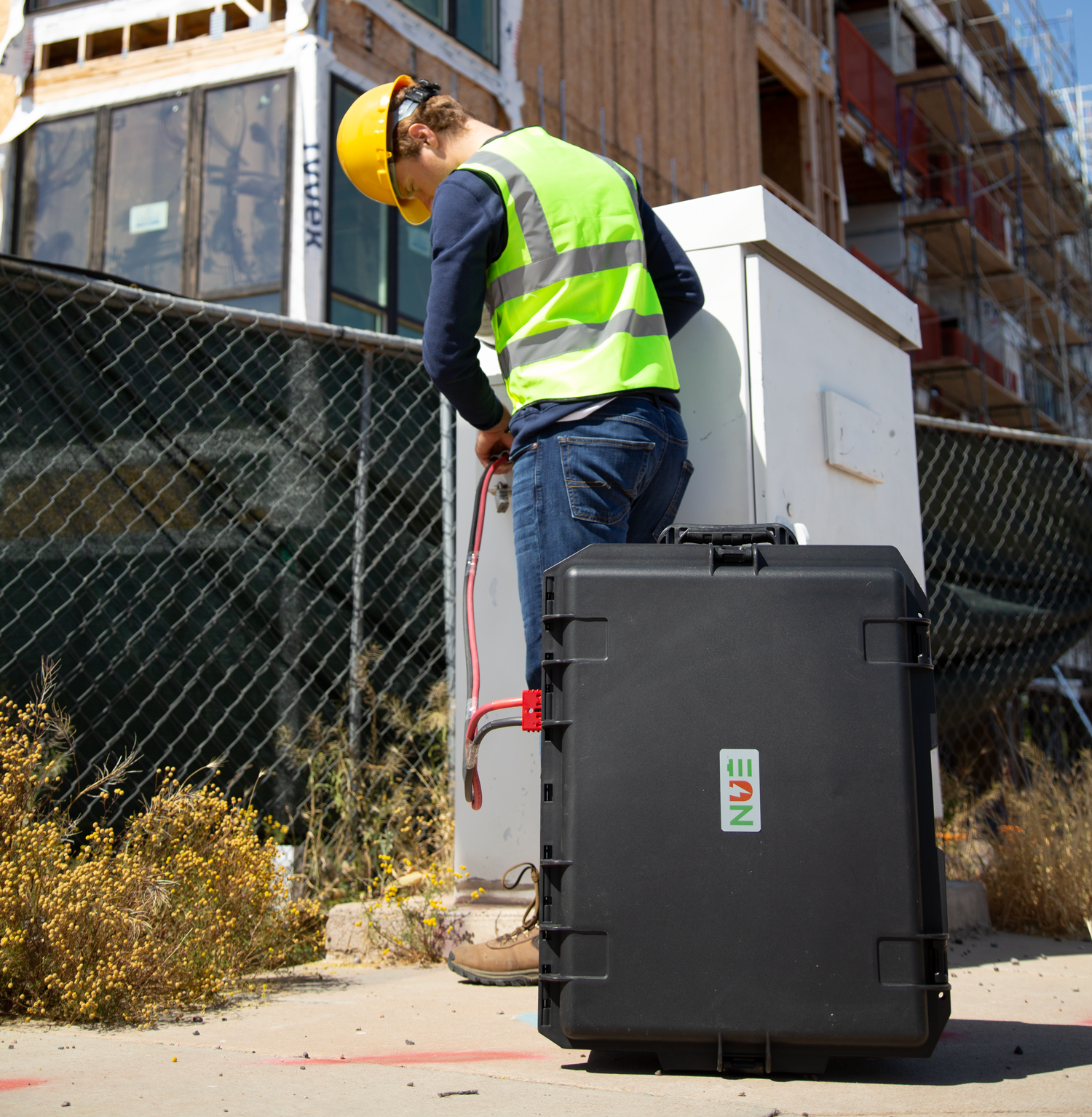
Deploy indoors where a fuel generator cannot go — shelters, clinics, command posts. NUE systems have supported multi-agency operations alongside FEMA, the American Red Cross and state and local teams, and in humanitarian work overseas.

Off-grid work, overlanding & home backup

Run a job site with no service, a trailer or van build, or the circuits that matter during an outage — refrigeration, CPAP, well pump, internet — and recharge from the sun the next day.

Kit it out

SunStealth 605 Backpack $899

Thermal mitigation cover developed from battlefield experience in Ukraine. Multi-layer phase-change composites drop surface emissivity from 0.9 to below 0.1 — power that carries, and does not glow.

View the SunStealth →

Tactical Drone Operator Rucksack $699

Purpose-built carry for drone teams: an integrated SunCase 605 bay, battery heater, modular front panel for external drone mounting, and compartments for FPV goggles, chargers, laptop, Starlink and panels.

View the TDOR →

3651 Off-Road Big Wheel Kit $550

Pneumatic tires engineered for the SunCase 3651, so 123 lb of power crosses gravel, sand, curbs and turf instead of stopping at the tailgate.

View the wheel kit →

Powering equipment that already runs on DC — broadband nodes, 24V radios, Nanlux fixtures? Skip the inverter entirely with the Portable DC Power line.

Questions buyers ask before they order

What is a portable power station?

A portable power station is a self-contained battery, inverter and charger in one case. It stores energy from a wall outlet, a solar panel or a vehicle and delivers it as standard AC household power plus USB and DC outputs — the function of a fuel generator, without combustion, exhaust, noise or maintenance, which is why it can be run indoors.

What can a SunCase actually run?

Check two numbers: the watts your device draws (must sit under the station's continuous AC rating) and the watt-hours you need (draw × hours). As a rough guide, the 1,280Wh SunCase 1213 will run a 50W Starlink terminal around 20 hours, a 100W LED fixture around 11 hours, or recharge a laptop 15 to 20 times. The 3,600W SunCase 3651 handles appliance loads — refrigeration, power tools, a 30A twist-lock circuit.

How long does it take to recharge?

The SunCase 1213 charges 0–100% in 75 minutes on a wall outlet, or under 90 minutes on solar. The 2425 and 3651 use a 1,650W internal charger with MPPT solar input and will take AC and solar simultaneously; an optional external fast-charger raises the rate to 100A.

How long will the battery last before it wears out?

6,000 cycles at 80% depth of discharge. Charged and drained every working day, that is well over a decade of service — several times the life of the NMC lithium used in most consumer power stations. Every SunCase carries a 24-month limited manufacturer's warranty.

Can I run it indoors?

Yes. There is no combustion and no exhaust, so the carbon monoxide risk that keeps fuel generators outdoors does not exist. SunCases are used inside shelters, clinics, command posts, offices and occupied homes, and they are quiet enough to sit next to a rolling camera.

Will it work in the cold?

Discharge is rated from −4°F to 140°F (−20°C to 60°C) on the 1213 and 2425. Charging is rated from 32°F to 131°F, so plan to charge above freezing — or ask us about arctic-specification models.

Can I take one on a plane?

No. Airlines cap passenger lithium batteries at 100Wh, and the smallest SunCase is 537Wh. Units are UN38.3 certified for ground and freight shipping, which covers vehicle transport, deployment pallets and standard carrier delivery.

Which SunCase should I buy?

605 if one person carries it all day and the loads are electronics. 1213 if you want a full working day of lighting, connectivity and charging in a 31 lb case. 2425 when you need 20A AC and a real reserve. 3651 when it is replacing a generator outright — add the Big Wheel Kit so 123 lb rolls over terrain.

Built by veterans. Proven in the field.

Every case is engineered to be dropped, hauled, rained on and put back to work the next morning. Pick your size, add the carry and mobility kit, and stop planning your work around a fuel run.